Full-circle and split ceramic fiber tube furnace chamber components

01Tube furnace RFQ guide

How to specify a tube furnace chamber

Prepare process-tube diameter, heated length, access, orientation, zone and electrical inputs for a full-circle or split ceramic fiber tube chamber.

Tube ODand required clearance
Heated lengthand zone boundaries
Full / splitaccess construction

02Overview

A tube furnace chamber is specified from the process tube outward. Start with tube outside diameter and clearance, then define heated length, full-circle or split access, orientation, zones, leads, terminals and the available enclosure.

03Technical information

Process-tube dimensions define chamber access, heated length and zone layout.

The process-tube outside diameter and required clearance establish the bore. The complete tube furnace chamber specification then adds heated and overall length, full-circle or split construction, orientation, end insulation, control zones and electrical interfaces.

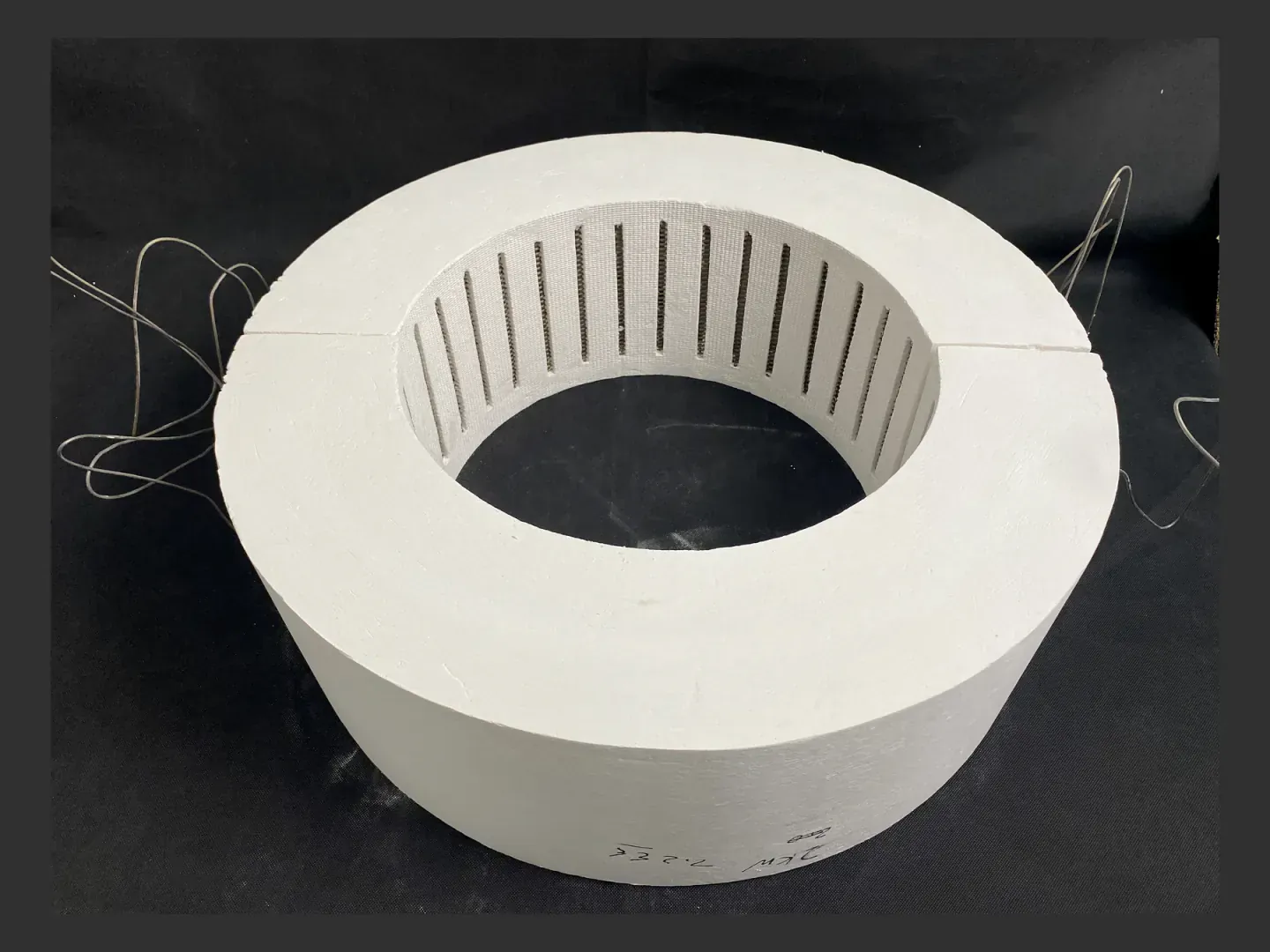
Full-circle ceramic fiber tube furnace chamber
01

Define the process tube

Provide tube material, outside diameter, tolerance, supported length and any end fittings that affect the chamber. State the required annular clearance instead of assuming the insulation bore equals the nominal tube diameter.

  • Tube material and outside diameter
  • Tolerance and required clearance
  • Flanges, seals and supports
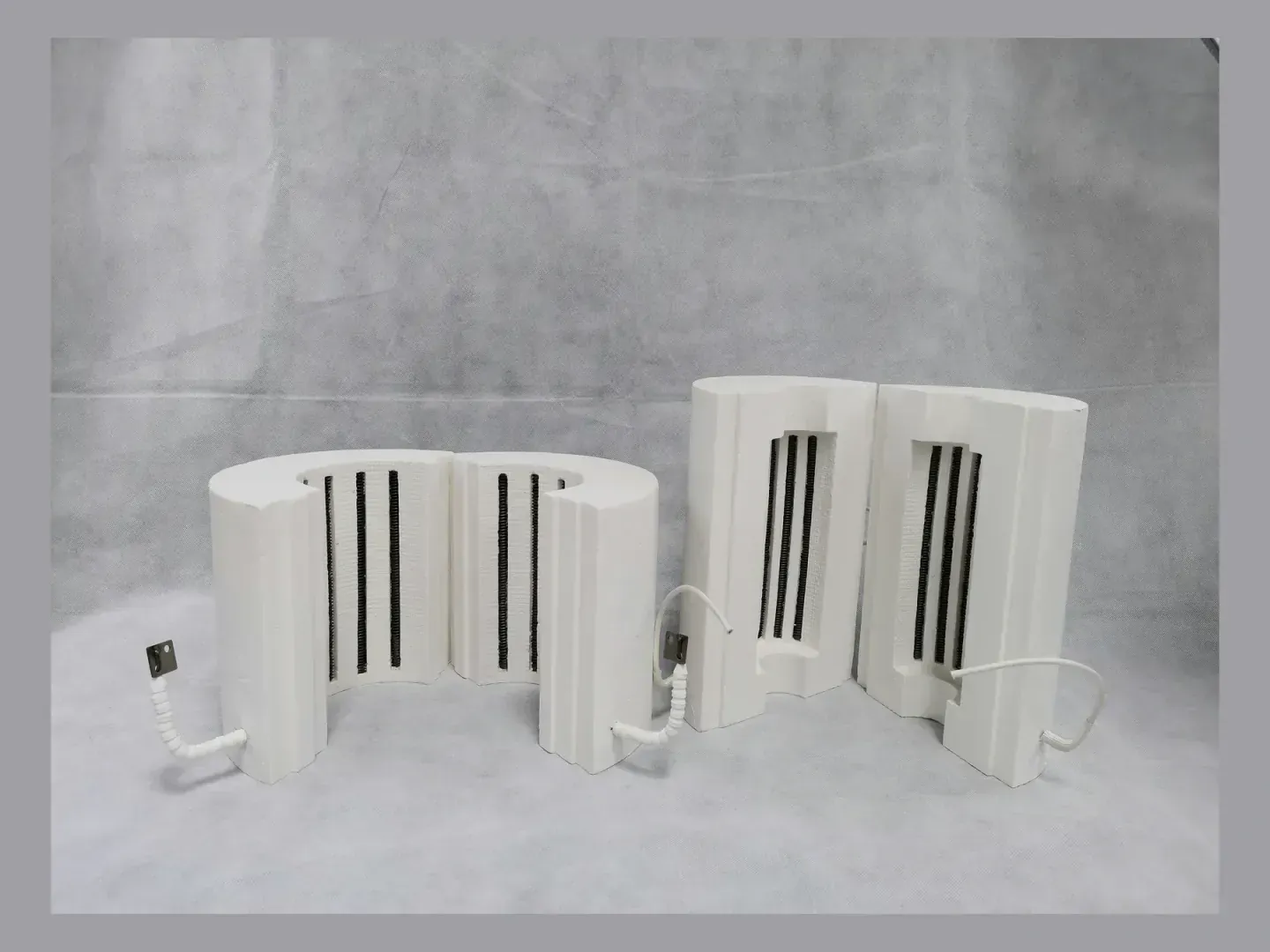
Split ceramic fiber tube furnace chamber
02

Choose full-circle or split construction

Use a full-circle body for fixed installation or matched split sections when the process tube needs service access. Define the split plane, hinge or clamp method, joint and external retention.

  • Fixed full-circle body
  • Matched split halves
  • Hinge, clamp and joint details
Tube chamber heating-element and groove detail
03

Separate heated and overall length

The element zone can be shorter than the total chamber. State both dimensions and identify end insulation, guard zones, section joints and any tapered transition required by the equipment.

  • Heated length
  • Overall insulation length
  • End and transition geometry
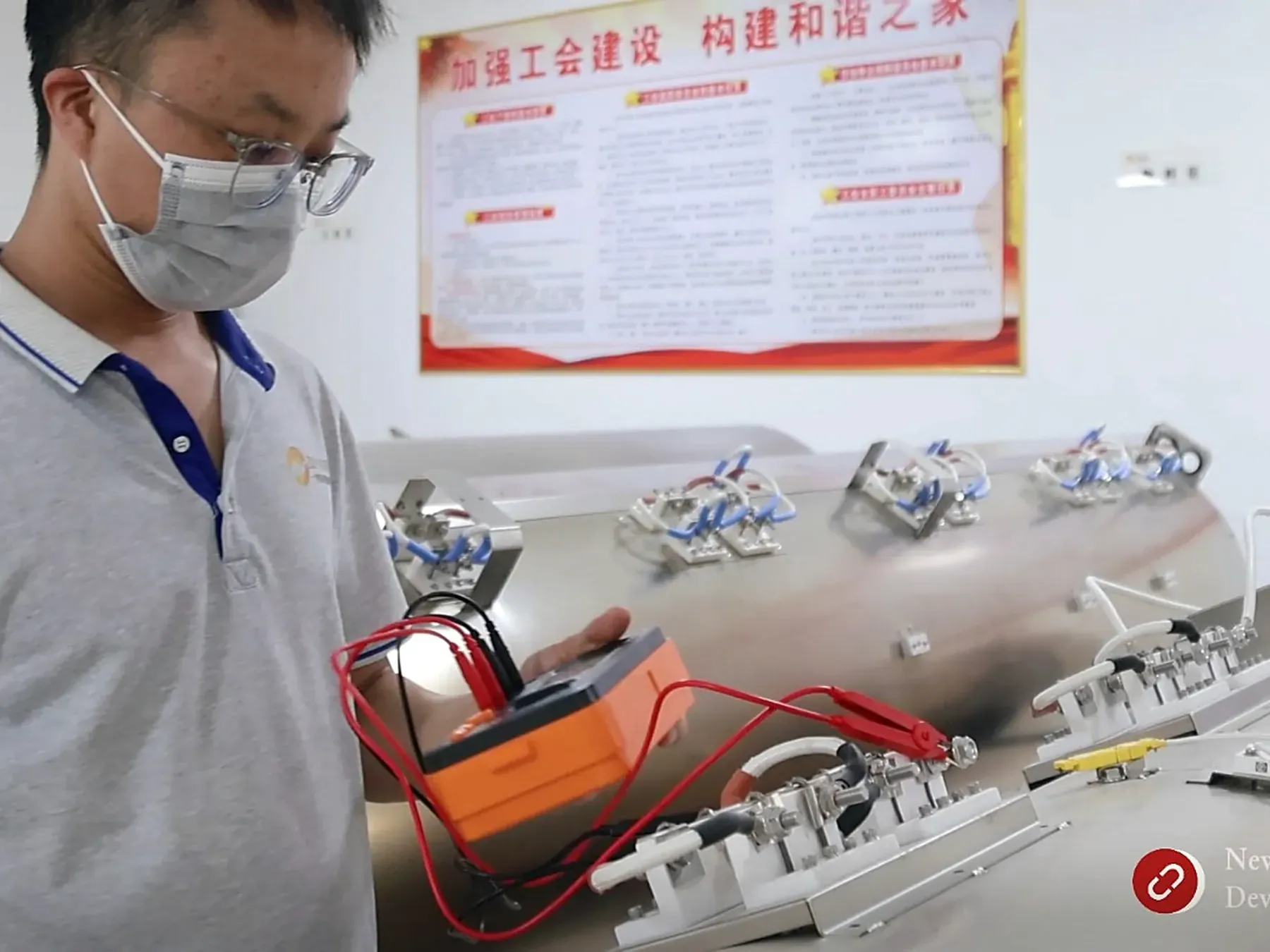
Electrical verification of furnace chamber circuits and lead connections
04

Map each electrical zone

For single- or multi-zone heaters, list zone lengths, voltage, power, sensors, circuit grouping, lead direction and terminal positions. These inputs define the groove and section layout.

  • Zone count and boundaries
  • Voltage, power and phase
  • Sensors, leads and terminals

04Selection table

Tube furnace chamber RFQ checklist

Use the table to record the process-tube dimensions, heated length, access method and electrical data on one RFQ.

Input groupWhat to provideDrawing effect
Process tubeMaterial, outside diameter, tolerance and clearanceBore and end geometry
LengthsHeated length, overall length and supported lengthElement zone and end insulation
AccessFull-circle, split, hinged or removable constructionJoint, retention and service method
OrientationHorizontal, vertical or special mountingSupports, leads and assembly direction
Thermal zonesZone count, boundaries, temperature target and sensorsSections, grooves and controller interface
ElectricalVoltage, power, phase, element and terminal layoutElement pattern and connections

05Product selection steps

Develop the chamber from bore to enclosure.

Start with the process tube and required hot zone, then specify the bore, element layout, insulation body and outer installation dimensions.

Ceramic fiber board technical selection
  1. 01

    Confirm the process tube

    Record tube diameter, tolerance, orientation, support and end hardware.

  2. 02

    Set hot-zone and access

    Define heated length, overall length, full-circle or split structure and service method.

  3. 03

    Add zones and electricity

    Map control zones, sensors, elements, voltage, power, leads and terminals.

  4. 04

    Check the enclosure

    Confirm the outside dimensions, mounting, shell clearance, quantity and production drawing.

08Technical FAQ

Tube furnace chamber RFQ questions.

01What is the most important dimension for a tube furnace chamber?+

The process-tube outside diameter and required clearance establish the bore, but heated length, overall length and service access are also essential.

02Can a tube chamber be supplied in two halves?+

Yes. Split-half and hinged constructions can be developed when the process tube must remain accessible.

03Can one tube chamber have several heating zones?+

Yes. Provide zone count, zone lengths, sensors, voltage, power and terminal locations so the body and groove layout can be coordinated.

04Can SYNTHE make a replacement from the existing heater?+

Yes. Send dimensions, electrical data, photographs, the equipment model and any available drawing or sample.

10Specification support

Define the chamber around the process tube and heated length.

Include tube outside diameter, radial clearance, full-circle or split access, orientation, heated length, zones, openings and electrical inputs.