
Thermal conditions
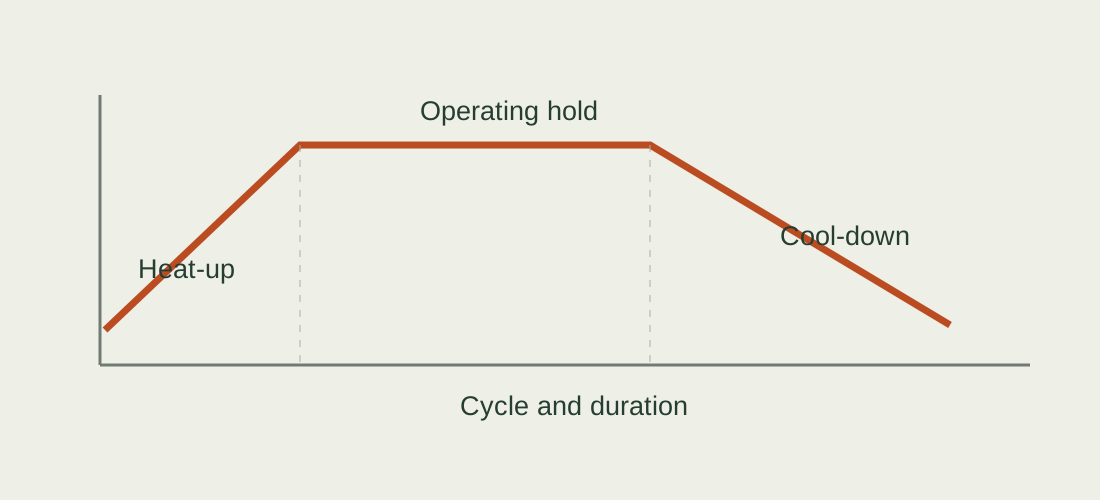
Normal and maximum temperature, gradients, heat-up rate and cycle frequency establish the material requirements.
- Continuous or cyclic service
- Hot-face and backup positions
- Local hot spots and openings
01Custom engineering
Select ceramic fiber grade, density, product form and chamber construction from temperature, atmosphere, cycling, geometry and mechanical requirements.
02Overview
Material selection starts with the operating temperature, atmosphere, cycling, available thickness, rigidity and handling conditions. These inputs determine whether the part should be board, blanket, paper, module, a vacuum-formed shape or an engineered chamber.
03Engineering details
Temperature grade alone does not determine the insulation. The selection also depends on whether the part is rigid or flexible, its position in the lining, the furnace atmosphere, heat-up cycles, mechanical contact, available thickness and installation method.
Normal and maximum temperature, gradients, heat-up rate and cycle frequency establish the material requirements.
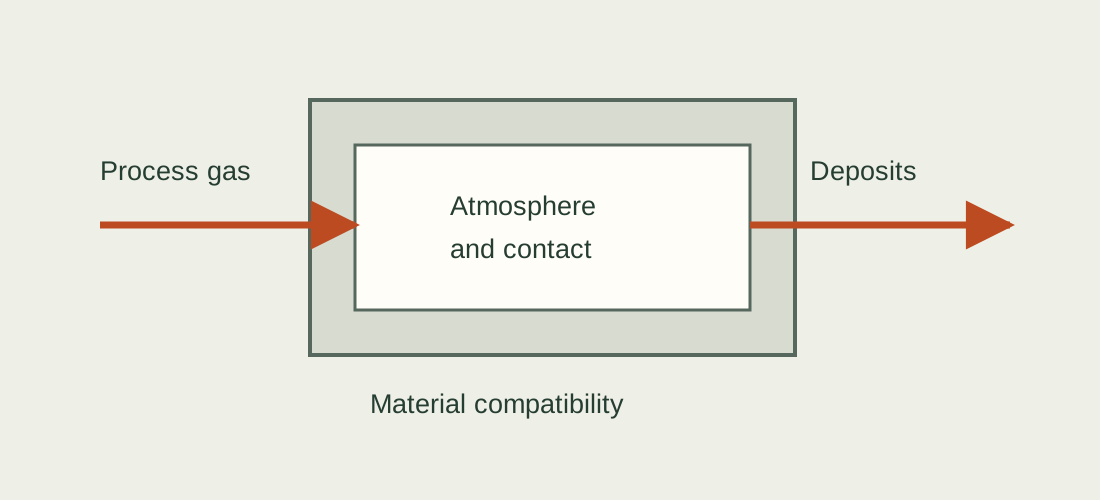
Atmosphere, vapors, deposits and contact materials may change the preferred grade or surface treatment.
The part must survive handling, installation, support and normal equipment movement.
04Selection table
SYNTHE supplies grades from 1260 to 1900 across applicable board, blanket, paper, module, formed-part and chamber constructions. Select the product form first, then specify grade, density, dimensions and processing.
| Decision | Questions to answer | Resulting specification |
|---|---|---|
| Temperature grade | Normal temperature, peaks, cycling and safety margin | Applicable material grade |
| Product form | Rigid, flexible, thin or complex geometry | Board, blanket, paper or formed part |
| Density | Handling, strength, machining and thermal objectives | Standard or custom density |
| Dimensions | Envelope, joints, penetrations and tolerances | Thickness, shape and drawing revision |
05Design and production steps
A complete specification connects the furnace conditions with the material grade, product form, finished dimensions and inspection requirements.
List normal temperature, peak temperature, atmosphere, cycling and contact with process materials.
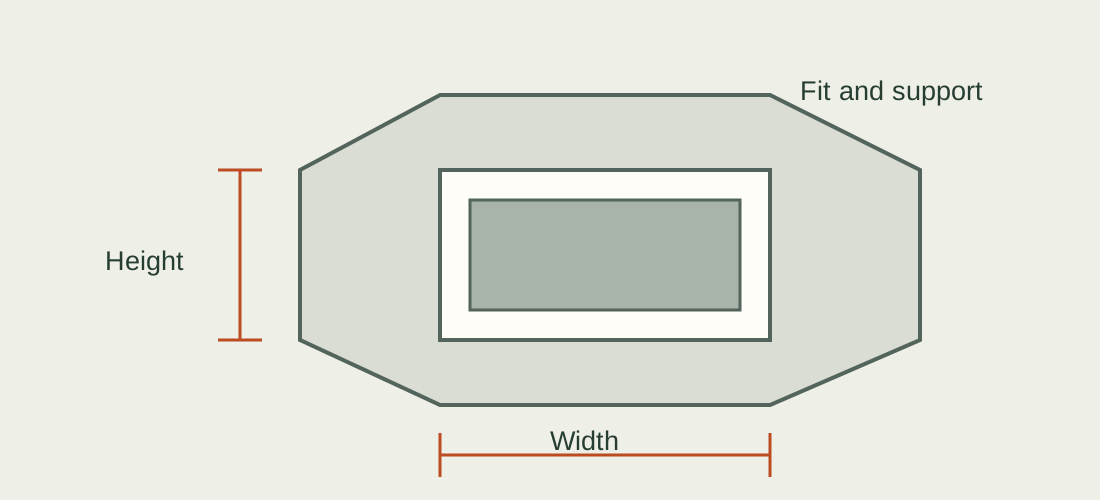
Record the available envelope, joints, supports, access points and parts that touch the insulation.
Select the grade, form, density, thickness and any required machining or surface treatment.
Mark critical dimensions, tolerances, interfaces and the current drawing revision.
06Related engineering pages
08Technical FAQ
No. Also specify product form, density, thickness, atmosphere, cycling, geometry, contact and handling requirements.
Yes. The 1900 grade is available, with maximum service temperature up to 1800°C depending on product form and conditions.
Yes. Special density is available when handling, machining, strength or thermal behavior requires a different configuration.
09Related information
10Custom engineering
Provide temperature, atmosphere, heat exposure, mechanical loading, available thickness, installation method and expected replacement interval.