
1200°C porcelain furnace chambers
Resistance-wire heating for dental porcelain firing. Chamber size, sensor opening, lid or base interface and lead exits are made to the furnace design.
View porcelain chambers ↗
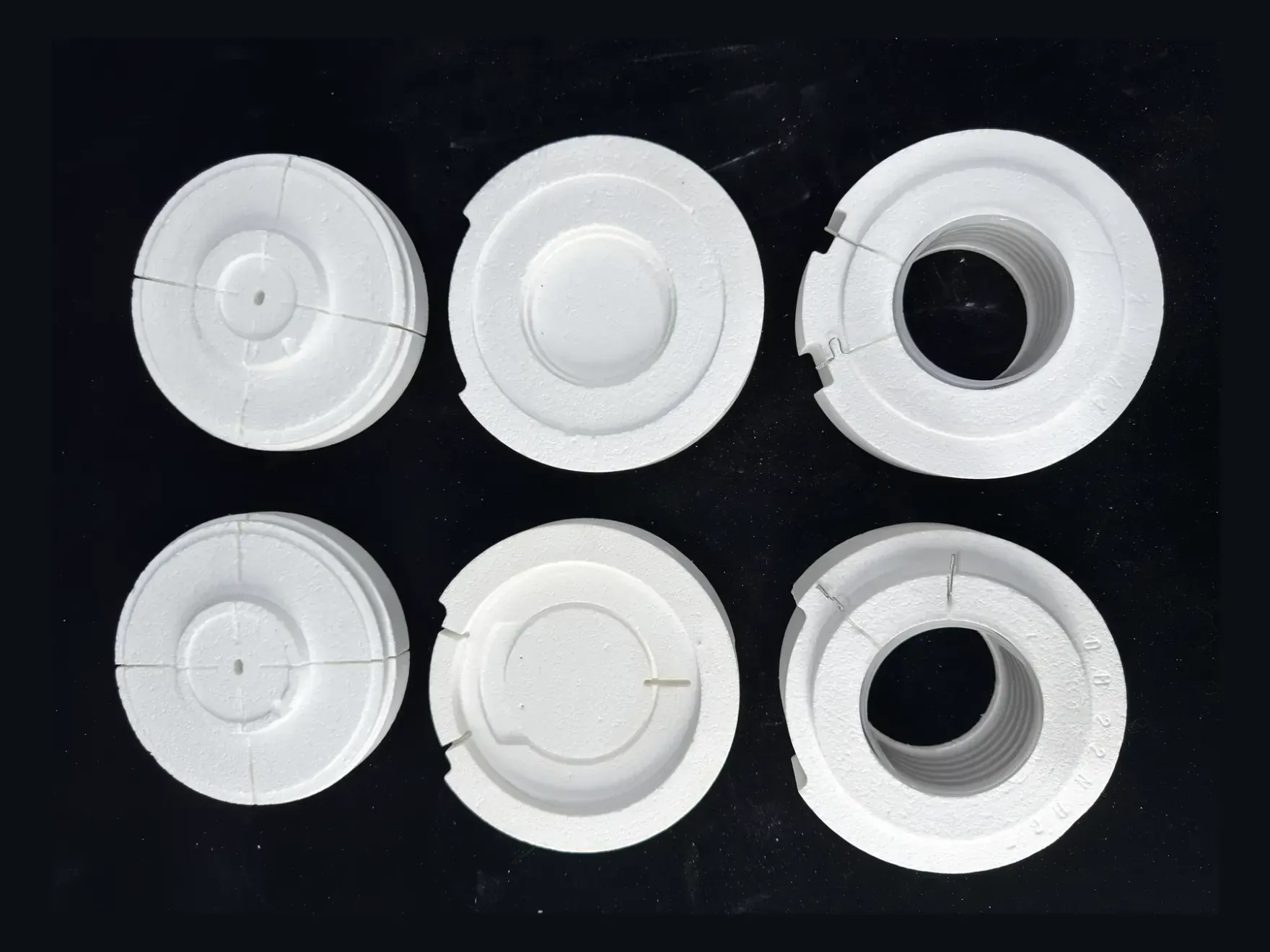
01Porcelain · zirconia sintering
Compare 1200°C resistance-wire porcelain furnace chambers with 1600-grade zirconia sintering chambers for long-term operation up to 1550°C.
02Overview
Dental porcelain firing and zirconia sintering require different chamber, element and electrical specifications. A 1200°C porcelain chamber uses resistance wire and is specified from the firing program, usable working zone, loading opening, sensor position, lead exits and lid or base interfaces. A 1600-grade zirconia chamber is available for up to 1550°C long-term operation with high-purity MoSi2 or double-spiral SiC elements. Round chambers are preferred; square chambers are available for flat-wall OEM and replacement interfaces.
Select by firing process. Both families are available in round or square formats, with round chambers as the preferred design.

Resistance-wire heating for dental porcelain firing. Chamber size, sensor opening, lid or base interface and lead exits are made to the furnace design.
View porcelain chambers ↗
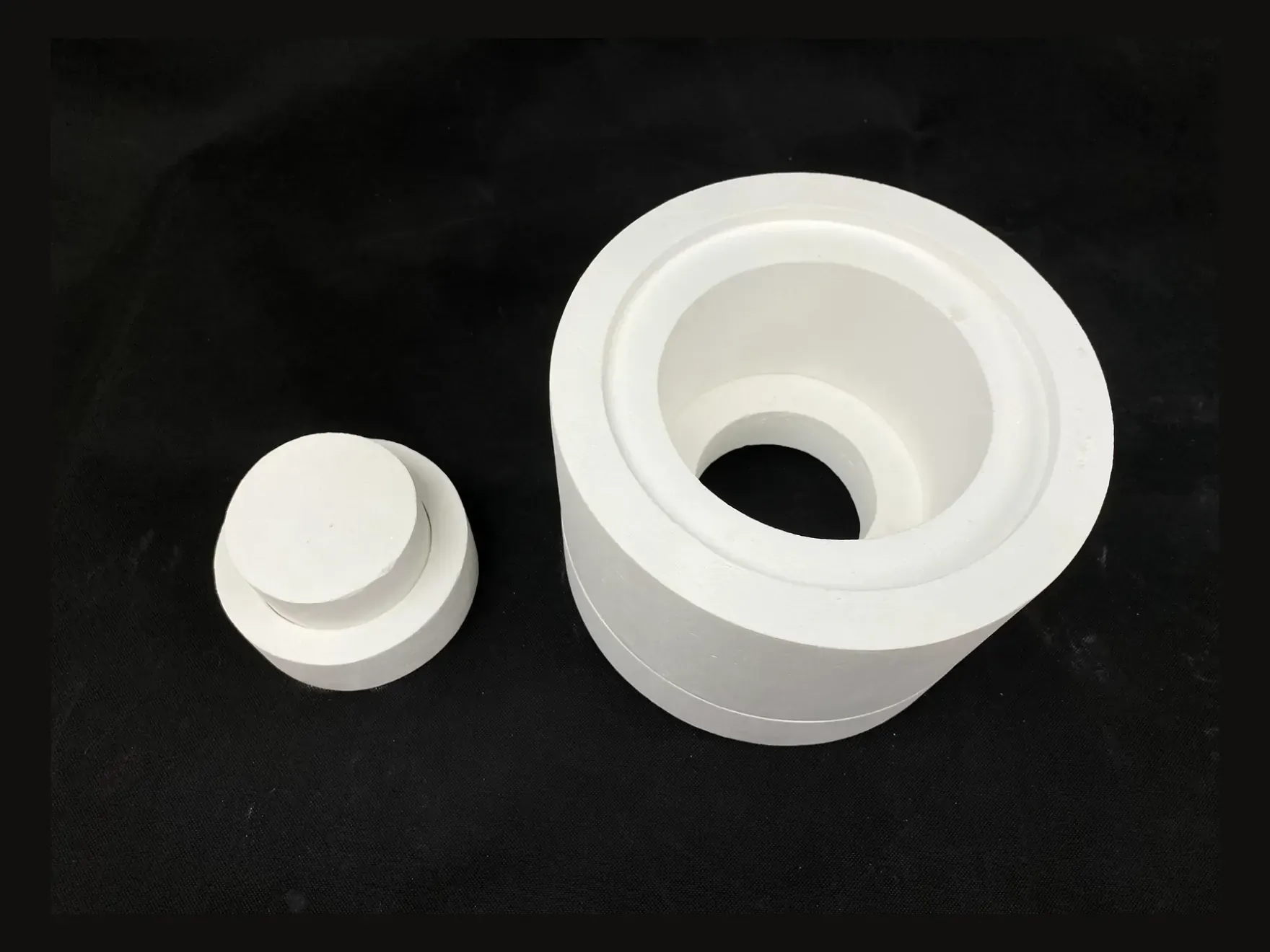
1600-grade ceramic fiber chambers for 1550°C continuous operation, with high-purity MoSi₂ or double-spiral SiC heating elements.
View zirconia chambers ↗03Product views

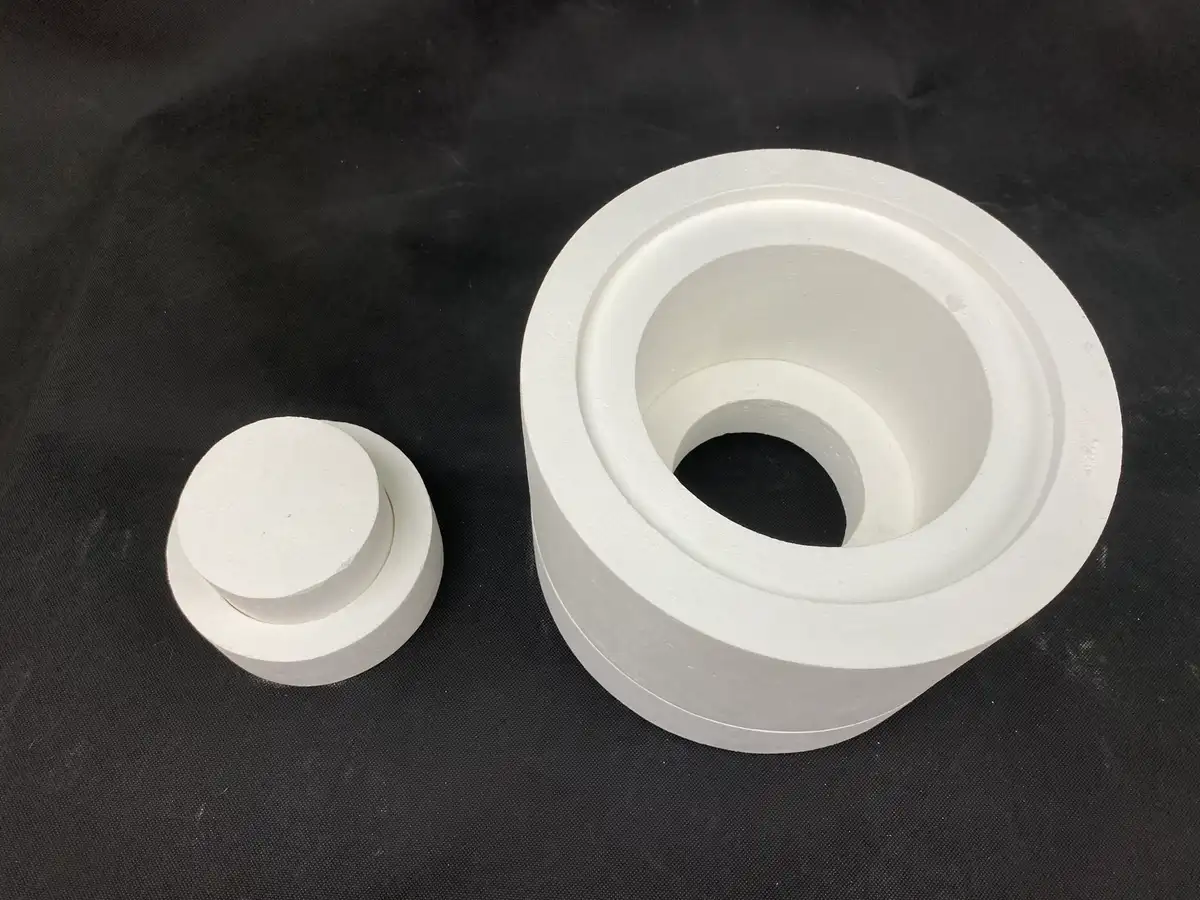
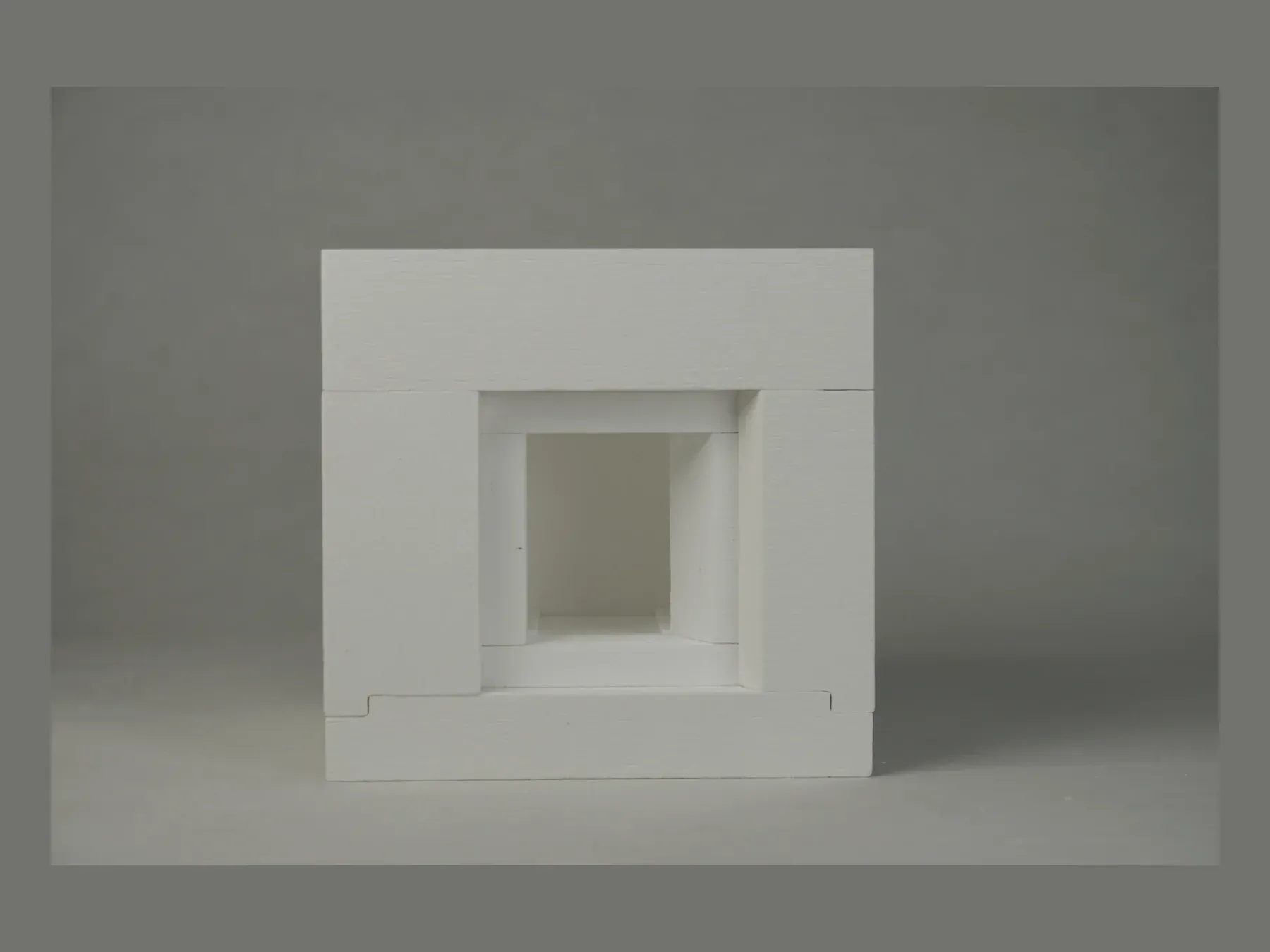
05Selection guide
The firing program, load and electrical system determine the chamber specification. A 1200°C porcelain unit uses resistance wire; a 1600-grade zirconia unit for long-term operation up to 1550°C uses high-purity MoSi2 or double-spiral SiC elements. Body shape is then selected from the working zone and equipment interfaces.
Provide ramp and hold stages, vacuum interval when used, cooling or opening sequence, cycle frequency, usable working zone, resistance-wire electrical data and thermocouple position.
Provide the complete sintering curve, load or saggar clearance, atmosphere, high-purity MoSi2 or SiC preference, voltage, power, circuit grouping and element-replacement access.
Use a round chamber for a concentric working zone or a square chamber where the casing, loading path, locating faces, lid or base require flat interfaces. Mark the selected shape and mating dimensions on the equipment drawing.
06Custom engineering
Select the porcelain or zirconia chamber from the firing program, then record the working zone, chamber shape, element system, electrical circuits, thermocouple, lid or base interfaces and service clearances on the drawing.
07Application fit
Resistance-wire chambers for dental ceramic firing equipment, with round construction preferred and square versions available.
Application details ↗1600-grade chambers for long-term operation up to 1550°C with high-purity MoSi2 or double-spiral SiC elements.
Application details ↗SYNTHE can measure an existing component or work from a drawing, manufacture one prototype, and retain the confirmed drawing for repeat orders.
Application details ↗
ProjectProduct configuration
This production group contains two distinct compact dental chamber formats with round bores, spiral heating structures, leads and locating features.
Porcelain and zirconia sintering duties use separate chamber and element specifications.
The chamber shape follows the working zone and mating equipment surfaces.
A sample can establish fit and agreed electrical characteristics before repeat production.
08Product FAQ
Use the 1200°C resistance-wire family for dental porcelain furnaces. Use the 1600-grade zirconia sintering family for long-term operation up to 1550°C.
Yes. Round chambers are preferred, and square chambers are available. Select the shape from the working zone, loading path, lid or base profile, locating faces and available external envelope.
High-purity MoSi2 and double-spiral SiC heating elements are available. The firing curve, atmosphere, load clearance, supply voltage, circuit grouping, sensor position and replacement access are needed to complete the element layout.
Yes. A reference sample can support geometry capture, while temperature, electrical data, openings and critical fit dimensions are confirmed before production.
09Related information
10Product quotation
Send the product dimensions, operating temperature and quantity. For a heated assembly, add the available voltage and power; a drawing or sample photo can help define the rest.